


In recent years, imaging technologies have made significant advances, particularly in the field of psychiatry. Today, while they are not fully capable of diagnosing a mental disorder, they still provide an abundant amount of information on what the brain looks like, as well as offer innovative treatment protocols that are accomplished using their technology. Functional Magnetic Resonance Imaging (fMRI), Positron Emission Tomography (PET), and Electroencephalogram (EEG) scans are examples of specific kinds of brain scans. They are also used to diagnose physical neurology, such as strokes and epilepsy.
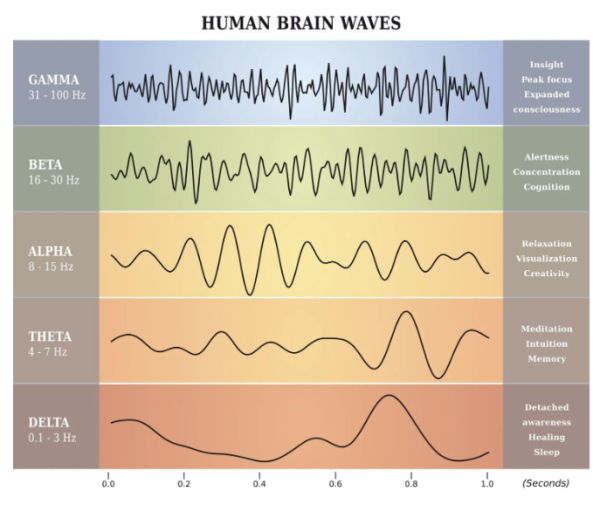
fMRIs capture brain activity by identifying changes in blood flow. It creates a map of the brain and detects abnormal neural patterns that are associated with certain mental disorders. The PET scan shows a live feed of brain metabolism. This then has the capacity to reveal detailed information on how the brain is functioning. An EEG can show different brain waves. This will show the activity of nerve cells in one specific part of the brain. These brain scans can detect abnormalities in the brain, which translate to mental disorders such as depression, anxiety, and ADHD.
If you would like to scan your brain in order to visualize and understand what is happening neurologically, the process is fairly easy. In many clinical settings, EEGs, for example, use nineteen sensors, or electrodes, which are placed around your scalp. These sensors capture brain wave activity. This activity is then transported to an FDA-approved database, which compares your results to those of a neurotypical brain. Following this, the information from the EEG provides a psychiatric treatment called neurofeedback or EEG biofeedback. This is where patients visualise the affected areas of their brains and train them to return to healthier functioning patterns. This is typically done through visual or auditory prompts, such as video games and sounds. This type of treatment has proven to be very helpful with conditions such as ADHD; however, it is not widely used as it is very expensive, the results vary, and research is still ongoing.
It is essential to recognize that these technologies can detect early signs of mental disorders, aid in creating more personalized treatment plans, and assist doctors in conducting thorough research on the brain. However, they are not solely able to diagnose a mental disorder. Diagnosis is primarily based on a psychiatrist’s conclusions from a patient’s history, symptoms, and behavior.
Bibliography
Drake Institute. “Drake Institute,” 2020. https://drakeinstitute.com/articles/treatment-technology/does-brain-mapping-work.
Information, National Center for Biotechnology, U. S. National Library of Medicine 8600 Rockville Pike, Bethesda MD, and 20894 Usa. What Happens during an Electroencephalogram (EEG)? Www.ncbi.nlm.nih.gov. Institute for Quality and Efficiency in Health Care (IQWiG), 2018. https://www.ncbi.nlm.nih.gov/books/NBK563104/.
Kirschbaum, Allison. “Smith Chason College.” Smith Chason College, July 15, 2024. https://smithchason.edu/blog/capturing-mental-health-with-imaging-technology/.
Masdeu, Joseph C. “Neuroimaging in Psychiatric Disorders.” Neurotherapeutics 8, no. 1 (January 2011): 93–102. https://doi.org/10.1007/s13311-010-0006-0.