

Television has become one of the most powerful engines of modern tourism, reshaping how audiences choose their destinations. Cities and landscapes that once attracted visitors for history or scenery are now drawing crowds because of what people see on screen. Popular shows can turn filming locations into international landmarks, with measurable impacts on local economies and identities.
On April 17, 2011, HBO premiered Game of Thrones, a fantasy epic that would change not only television but also the fortunes of Dubrovnik, Croatia. The walled city, chosen as the filming location for King’s Landing, became instantly recognizable to millions of viewers. A 2020 study found that the show generated about 59,000 additional overnight stays per year in Dubrovnik during its run (Depken, Globan, Kozic). Even five years after the finale, the city continues to thrive on “Thrones tourism,” with guided tours and themed experiences drawing fans from around the world (Thomas). What was once a historic coastal town is now branded as the capital of Westeros.
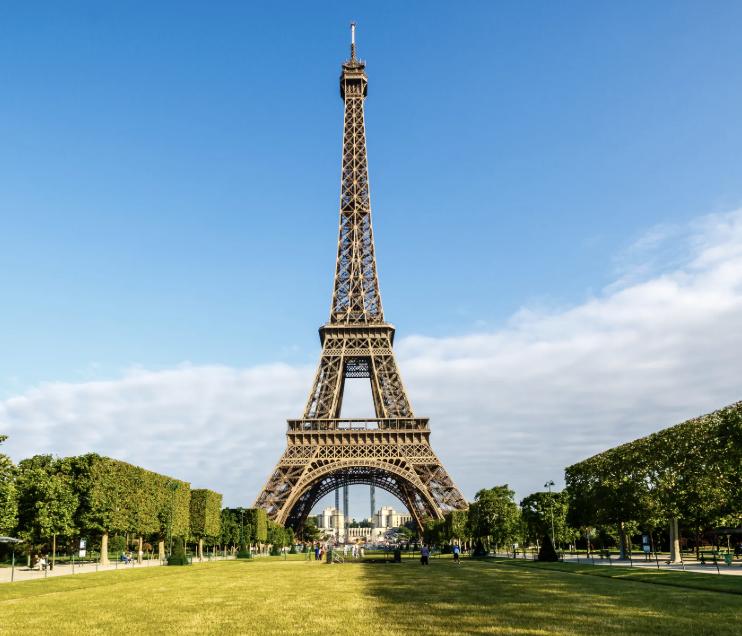
A similar transformation unfolded in France with Netflix’s Emily in Paris. Debuting in 2020, the series offered a romanticized view of the French capital, complete with sidewalk cafés, chic apartments, and strolls through the Jardin du Palais-Royal. Tourism companies quickly capitalized, offering walking tours of Emily’s filming locations (Hote). By 2024, surveys revealed that pop culture was a major motivator for international visitors to France, with Emily in Paris cited as a key influence. The show’s glossy portrayal of Paris reinforced the city’s reputation as a place of style and romance, even if locals sometimes bristled at its stereotypes.
Across the Atlantic, AMC’s Breaking Bad (2008–2013) turned Albuquerque, New Mexico, into an unlikely travel hotspot. The series, which chronicled Walter White’s descent into crime, showcased the desert landscapes and suburban streets of Albuquerque. Today, visitors can join official “Breaking Bad Tours,” ride in replica RVs, and visit iconic spots like Walter White’s house and Los Pollos Hermanos (Visit Albuquerque). The city has embraced this identity, weaving the show into its tourism marketing and offering fans a chance to step into the world of the series. What began as a gritty drama has become a cultural calling card for Albuquerque.
Perhaps the most enduring example of television and film-driven tourism is New Zealand, transformed by Peter Jackson’s The Lord of the Rings trilogy. Filmed entirely across more than 150 locations, the movies presented New Zealand as Middle-earth. Hobbiton in Matamata was preserved as a permanent attraction, and Tolkien tourism remains a cornerstone of the nation’s economy (newzealand.com). Visitors can hike through the Remarkables, tour Edoras, or sip ale in the Green Dragon Inn.